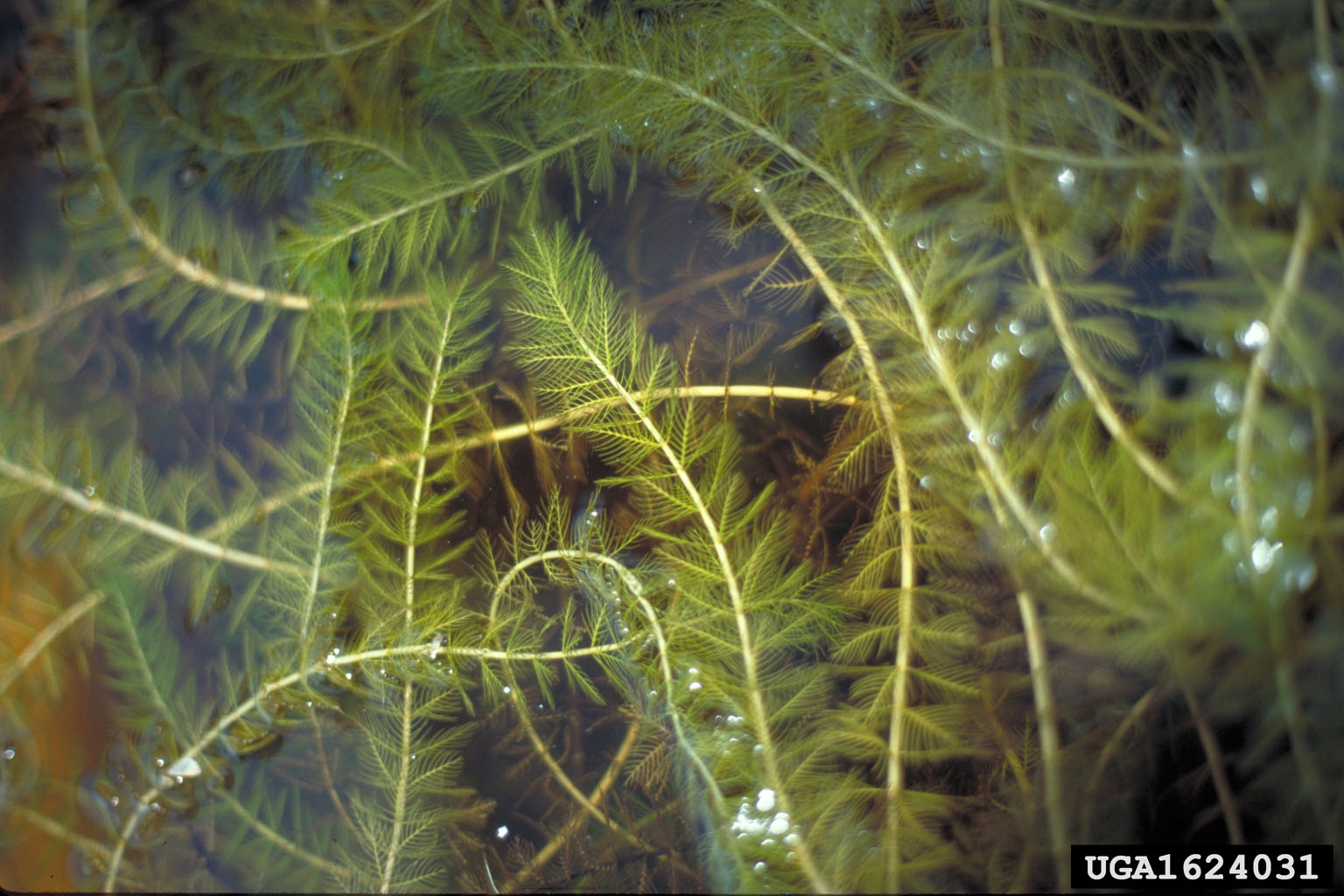
Maine is home to six species of invasive species, spread across 30 lakes ranging from extreme southern York County all the way to Big Lake in the remote Downeast region. They are usually introduced into lakes and ponds when they hitchhike on boats and their associated equipment.
Once introduced, invasive species grow and spread rapidly, outcompeting native plants, degrading habitat for fish and other wildlife, and in some cases decreasing property values. Invasive species are managed by many local and regional watershed associations and lake groups, with funding and support of Maine’s Department of Environmental Protection.
Infestation will reduce water quality, and thus impact recreational use of the lake and reduce property values. Eradication of invasive milfoil is difficult and expensive, costing some Maine lakes $30,000 to $40,000 per year. The threat is real, as evidenced by the 2017 milfoil infestation at nearby Long Lake.
We are fortunate that Crescent Lake has not experienced invasive plants such as variable leaf milfoil (Myriophyllum heterophyllum) or Eurasian watermilfoil (Myriophyllum spicatum). Yet, we must be diligent in looking for these invasive plants when launching boats, kayaks, canoes, and in general as we use the lake. If an invasive plant is found early, it may be possible to remediate it quickly and cost effectively. Our Clippers program is a significant part of keeping us this way.
Invasive Plant Patrol is a citizen science program run by the Lake Stewards of Maine, which trains volunteers to proactively look for new infestations of invasive species. Invasive Plant Patrollers are essential to spotting new infestations early, so that we can act quickly to mitigate impacts.I
We have provided some additional resources for you on this critical issue.